 Reviews



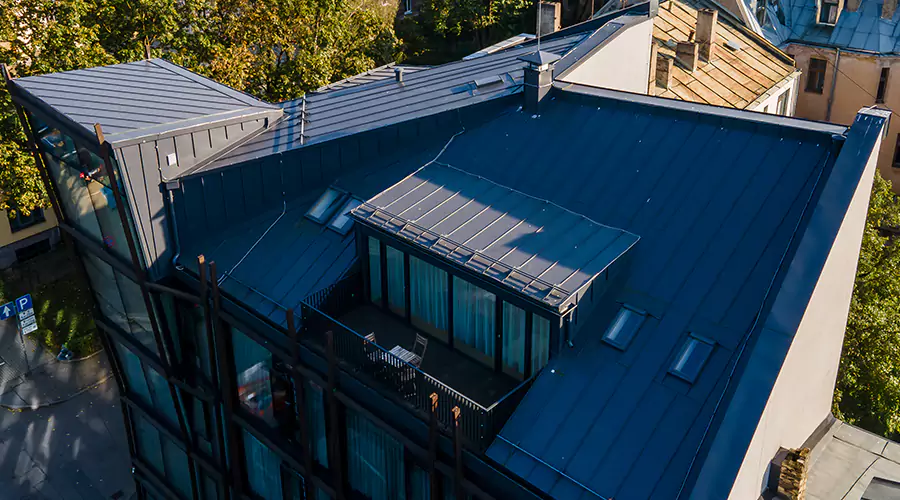
Proper roof ventilation plays a major role in protecting a home from moisture damage, heat buildup, and premature roofing problems. Many homeowners focus on shingles, gutters, and emergency roof repairs but overlook the importance of attic airflow. A well ventilated roofing system helps maintain balanced temperatures and allows moisture to escape before it creates structural issues.
Without proper ventilation, heat and humidity can become trapped inside the attic. Over time, this can lead to mold growth, damaged insulation, roof deterioration, and higher energy costs. Understanding how roof ventilation works can help homeowners improve indoor comfort, extend roof lifespan, and reduce expensive future repairs.
What Is Roof Ventilation?
Roof ventilation is a system that allows air to circulate through the attic and roofing structure. The goal is to create continuous airflow that removes excess heat and moisture.
A standard roof ventilation system usually includes:
- Intake vents
- Exhaust vents
- Airflow channels
- Attic ventilation openings
Fresh air enters through intake vents near the lower portion of the roof and exits through exhaust vents near the roof peak.
Why Roof Ventilation Matters?
Roof ventilation affects several important areas of home performance and roof protection.
Benefits of proper roof ventilation include:
- Reduced attic heat buildup
- Better moisture control
- Lower energy costs
- Longer roof lifespan
- Improved indoor comfort
- Reduced mold and mildew risks
- Better insulation performance
Balanced airflow helps maintain healthier roofing conditions throughout the year.
How Poor Roof Ventilation Can Damage a Home?
An attic without proper ventilation can experience serious long term problems.
Excess Heat Buildup
During summer, attic temperatures can rise dramatically without airflow.
High attic heat may:
- Overwork air conditioning systems
- Increase utility bills
- Damage roofing materials
- Cause shingles to age faster
- Reduce indoor comfort
Extreme attic heat can also transfer into living spaces below the roof.
Moisture Accumulation
Moisture buildup is one of the biggest concerns caused by poor ventilation.
Warm indoor air naturally rises into the attic. Without ventilation, moisture becomes trapped and may lead to:
- Mold growth
- Mildew odors
- Rotting wood
- Wet insulation
- Ceiling stains
- Structural weakening
Condensation can form during colder months when warm attic air meets cool roofing surfaces.
Shortened Roof Lifespan
Excess heat and trapped moisture place constant stress on roofing materials.
Poor ventilation can contribute to:
- Curled shingles
- Cracked roofing materials
- Premature roof aging
- Ice dam formation
- Decking deterioration
A roofing system exposed to ongoing ventilation issues may require repairs or replacement earlier than expected.
Common Types of Roof Ventilation Systems
Several types of ventilation systems are used in residential roofing.
Ridge Vents
Ridge vents are installed along the peak of the roof and allow warm air to escape naturally.
Benefits include:
- Continuous airflow
- Low visibility
- Even attic ventilation
- Energy efficiency
Soffit Vents
Soffit vents are installed beneath roof overhangs and act as intake vents.
They allow fresh outside air to enter the attic.
Gable Vents
Gable vents are placed on exterior attic walls near roof peaks.
These vents can improve cross ventilation in certain roof designs.
Roof Turbines
Roof turbines use wind movement to help remove hot air from attics.
Powered Attic Fans
Electric or solar powered attic fans actively remove hot air from attic spaces.
These systems may improve airflow in homes with severe heat buildup.
Signs Your Roof Ventilation May Be Poor
Many homeowners do not realize they have ventilation problems until damage becomes visible.
Common Warning Signs
- Excessive attic heat
- High cooling costs
- Mold or mildew smells
- Condensation in the attic
- Ice dams during winter
- Curled or damaged shingles
- Rusted roofing nails
- Damp insulation
- Peeling paint near rooflines
A professional roof inspection can help identify hidden ventilation issues.
How Roof Ventilation Improves Energy Efficiency?
Proper attic airflow helps regulate indoor temperatures and reduce strain on heating and cooling systems.
Summer Benefits
Ventilation removes trapped attic heat, helping air conditioning systems work more efficiently.
This may help:
- Lower energy bills
- Improve indoor comfort
- Reduce cooling system wear
Winter Benefits
During colder months, ventilation helps prevent moisture accumulation and reduces the risk of ice dams.
Balanced attic temperatures can help protect roofing materials from freeze thaw damage.
The Relationship Between Insulation and Ventilation
Roof ventilation and attic insulation work together to improve home performance.
Insulation helps reduce indoor heat transfer, while ventilation removes excess heat and moisture.
Problems can occur when:
- Insulation blocks soffit vents
- Airflow pathways are restricted
- Attic ventilation is insufficient
Proper attic design requires balanced insulation and airflow.
How Roof Ventilation Helps Prevent Mold Growth?
Mold thrives in damp, humid environments. Poor attic ventilation creates conditions where moisture can remain trapped for long periods.
Proper ventilation helps:
- Reduce humidity levels
- Improve air circulation
- Keep insulation dry
- Prevent condensation buildup
Preventing moisture accumulation can reduce the risk of indoor air quality issues and structural damage.
Importance of Professional Roof Ventilation Evaluation
Every home has unique roofing and attic conditions. A professional roofing contractor can evaluate whether the current ventilation system is performing properly.
Professional evaluations may include:
- Attic airflow assessment
- Vent placement inspection
- Moisture detection
- Insulation review
- Roof condition analysis
A roofing professional can recommend upgrades or adjustments to improve ventilation performance.
Tips to Improve Roof Ventilation
Homeowners can take several steps to improve attic airflow and roof protection.
Schedule Routine Roof Inspections
Regular inspections can identify ventilation issues before major damage develops.
Keep Vents Clear
Dust, insulation, and debris can block airflow through vents.
Upgrade Ventilation Systems
Older homes may benefit from modern ridge vents or improved intake ventilation.
Check Attic Insulation Placement
Insulation should not block soffit vents or airflow channels.
Address Roof Damage Quickly
Leaks and damaged roofing materials can worsen moisture problems inside the attic.
Final Thoughts
Proper roof ventilation is essential for protecting roofing materials, improving energy efficiency, and preventing moisture related damage inside a home. Balanced attic airflow helps regulate temperatures, reduce humidity, and extend the lifespan of a roofing system.
Homeowners who invest in roof ventilation maintenance and inspections can reduce the risk of mold growth, structural damage, and costly repairs. Whether building a new home or maintaining an existing roof, proper ventilation remains one of the most important parts of long term roof performance and home protection.